
Posture, Circulation, and Natural Vitality
Why Your Energy Plummets at 3 PM
The afternoon slump is almost universal among desk workers. Your eyelids feel heavy, focus fades, and you reach for coffee or a sugary snack hoping for relief. While circadian rhythms and post-lunch digestion play a role, there’s another culprit many people overlook: posture and how it affects blood flow to your brain.
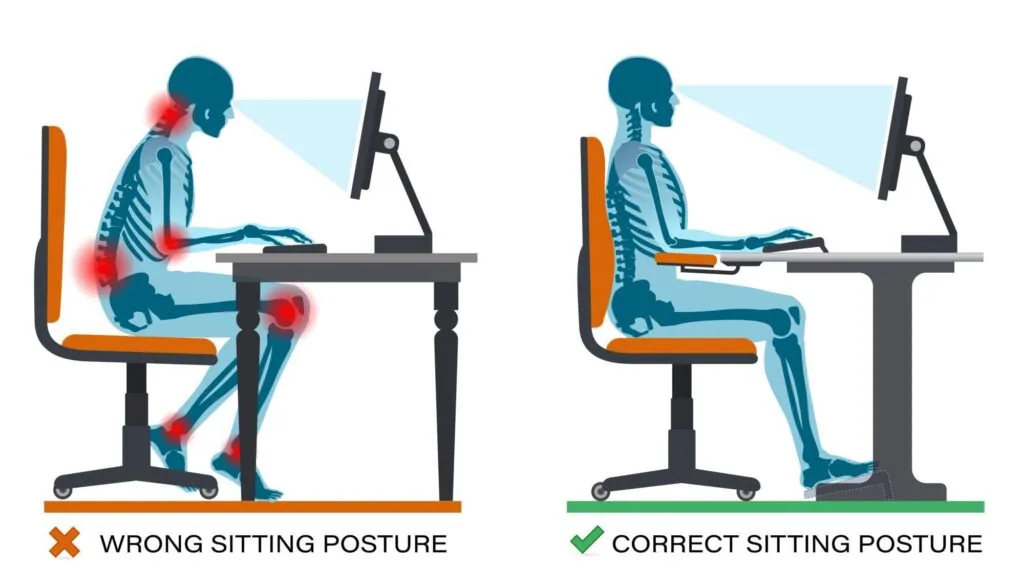
When you spend hours hunched over a keyboard or leaning into your monitor, your shoulders roll forward, your chest caves slightly inward, and your head juts ahead of your spine. This position—often called “tech neck” or forward head posture—compresses blood vessels and restricts circulation. Your brain receives less oxygen-rich blood, your focus dims, and fatigue sets in. It’s not laziness; it’s a physical constraint your body is signaling.
Slouching Starves Your Brain of Oxygen
Your neck contains major arteries (like the carotid arteries) that deliver blood and oxygen to your brain. When your head tilts forward, these vessels kink slightly, reducing blood flow. At the same time, a collapsed chest position means shallower breathing—you’re taking in less oxygen overall. The combination is a one-two punch: lower oxygen intake plus restricted delivery.
Over hours, this chronic oxygen deficit accumulates. Your brain’s energy production slows, concentration falters, and that characteristic 3 PM crash arrives like clockwork. You’re not tired because you’re lazy; you’re tired because your posture is limiting your body’s ability to fuel your mind.
Movement Breaks: The Fastest Energy Reset
The solution isn’t more caffeine—it’s movement and postural reset. Every 60 to 90 minutes, stand up and do this:
- Shoulder rolls and chest opener: Roll your shoulders backward 10 times, then clasp your hands behind your back and gently pull your chest open for 15–20 seconds. This reverses forward slouching and resets breathing.
- Neck mobilization: Slowly turn your head side to side, tilt your ears toward your shoulders, and gently extend your neck backward (avoid forcing). These movements help restore blood flow through the neck arteries.
- Walk around: Even a 2-minute walk—around the office, to a window, down a hallway—increases circulation throughout your body and wakes up your nervous system.
- Deep breathing: Stand with upright posture and take 5–10 slow, deep breaths. Expanded lungs mean more oxygen intake and immediate mental clarity.
Most people notice a tangible energy lift within minutes of moving and correcting their posture.
Nutrition for Sustained Mental Energy
Posture and movement are structural fixes. To sustain energy throughout the day, your diet matters equally. Blood sugar stability is key. A refined carb-heavy lunch (white bread, pastries, sugary snacks) causes a spike and crash, amplifying afternoon fatigue.
Instead, prioritize:
- Protein and healthy fats: Eggs, nuts, seeds, fatty fish, and grass-fed meat stabilize blood sugar and provide sustained fuel for mental work.
- Whole grains and fiber: Brown rice, oats, and leafy greens slow digestion and prevent energy crashes.
- Hydration: Dehydration is a hidden cause of fatigue. Aim for consistent water intake throughout the day—not just a big gulp after you’re already tired.
Avoid the 3 PM sugar and coffee trap. A balanced mid-afternoon snack (like apple and almond butter) sustains energy far better than a candy bar.
Chiropractic Care for Optimal Circulation and Nervous System Function
If afternoon crashes persist despite better posture and nutrition, chiropractic care can address underlying structural imbalances. Misalignments in the cervical (neck) and thoracic (mid-back) spine can compress nerves and restrict blood vessels. A chiropractor can identify these restrictions and restore proper alignment, improving circulation and optimizing nervous system signaling.
Regular adjustments, combined with posture coaching, create lasting changes. Your body receives better oxygen delivery, your brain functions more clearly, and that afternoon crash becomes less frequent and less severe.
Afternoon fatigue isn’t inevitable. By addressing posture, building in movement breaks, supporting stable nutrition, and ensuring your spine and nervous system function optimally, you reclaim your afternoon energy. Start today with a posture reset and a hydration check—you may be surprised at how quickly you feel the difference.
Call (415) 453-1588 or visit our contact page.